What is French Blending™
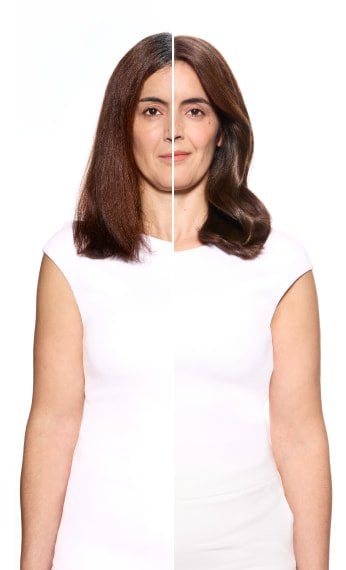
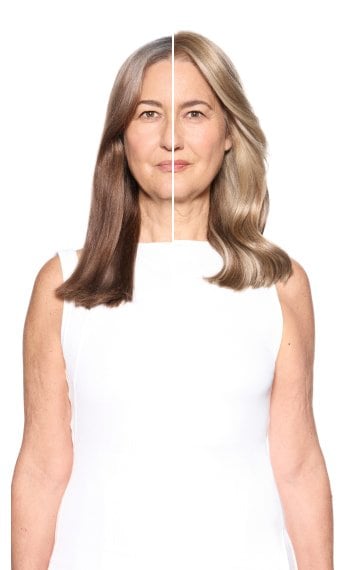
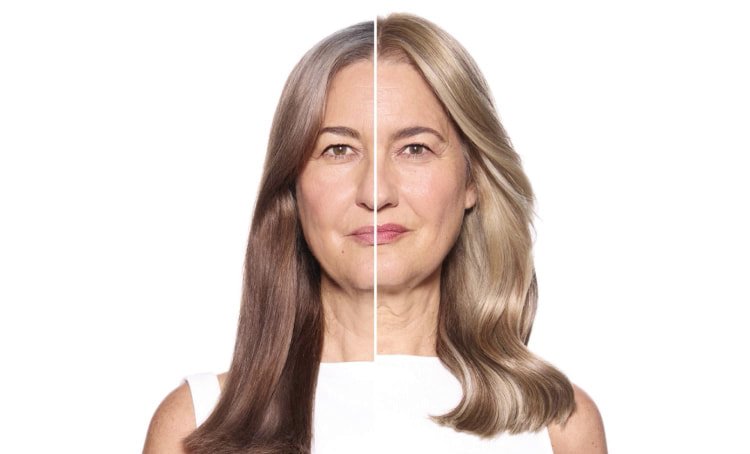
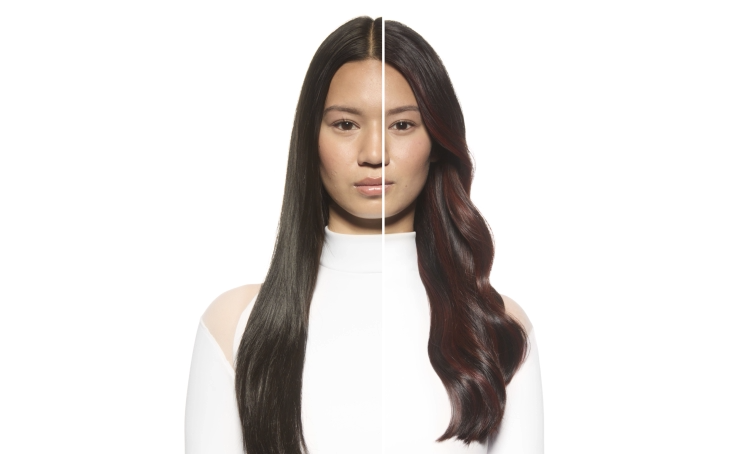
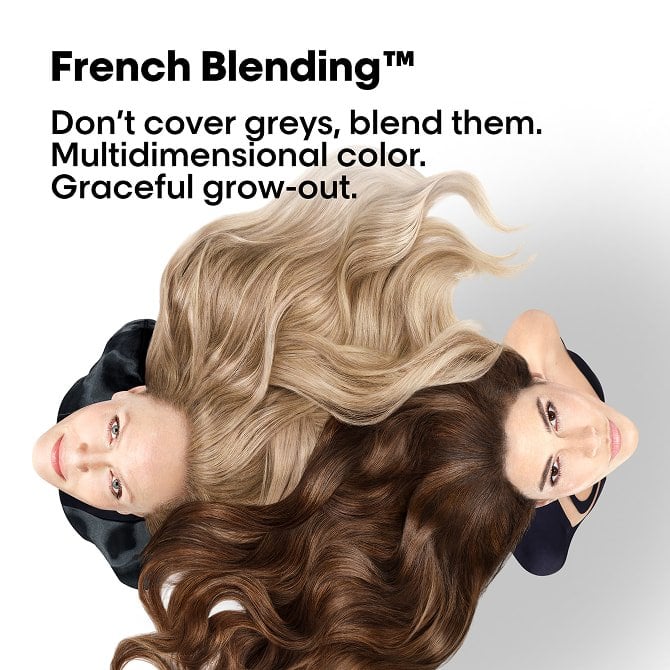
French Blending is a trademarked service developed by L'Oréal Professionnel, elevating grey coverage to a valorized service in salon. Pairing innovative, unique color formulas with the new Vertical Weaving Technique, it perfectly blends greys for a long-lasting, multidimensional look.
Shifting the paradigm
French BlendingTM is a softer approach to grey coverage, it is answering what women want: a dimensional, low maintenance color. The service aims to eliminate the harsh regrowth line for a graceful grow-out. It delivers the multidimensional color you want. Say bye to the "helmet effect" or "grey demarcation", the future of grey coverage has arrived.
Why it's considered a "French" color signature
What makes this color blending technique so French? It has a natural, effortless finish, like the most sophisticated of all color signatures.
Why French Blending™ looks more natural than classic coloring?
A service co-developed with hairdressers, new French BlendingTM yields grey blending results that look more natural than classic full-coverage color. But why? It relies on unique color match formulas for each client and pairs them with an innovative technique called Vertical Weaving Technique, with three levels of blending adapted to clients seeking different results: First Blending, Retouch Blending and Total Blending.
No harsh regrowth lines
The results look much more natural because, thanks to the innovative weaving technique, there are no harsh demarcation lines and none of that infamous 'grey bar.
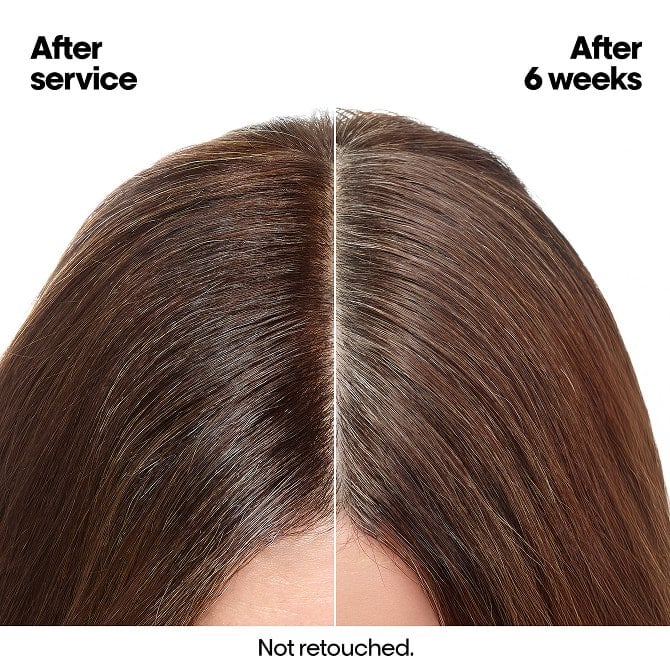
Creates dimension instead of uniform coverage
By working with unique blended color formulas, the service achieves multidimensionality rather than single-note, uniform grey coverage.
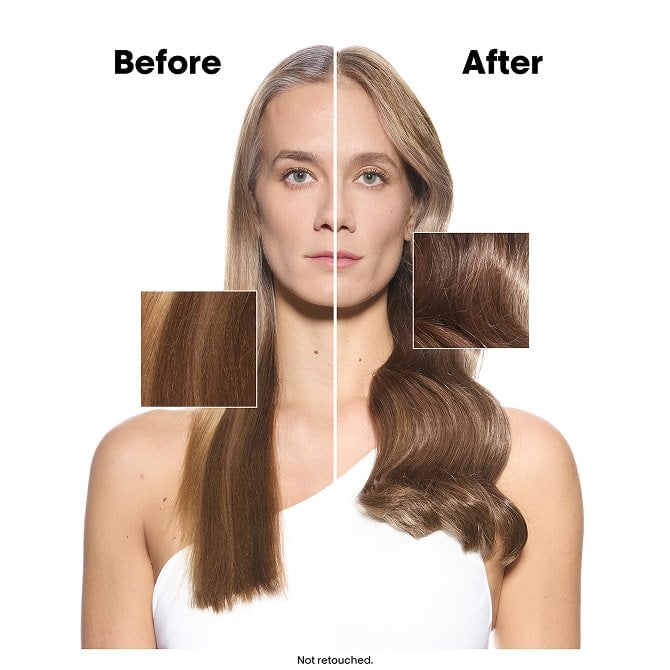
The pro techniques behind French Blending™
French BlendingTM is a trademarked in-salon service tailored to each client. There are several different coloring techniques that can be used over the course of the personalized 1-to-6-hour service that depends on the client's hair and hair goals.
Micro-highlights / babylights placement
Micro-highlights or babylights may be applied to the topmost layer of the hair, if you have just a minimal amount of greys around your face. It's a freehand technique that can bring some brightness and subtle grey coverage.
Soft lowlights for depth
Lowlights (as opposed to highlights) are darker shades that can be applied for added depth and dimension.
Root shadow or smudge to blur regrowth
Different techniques for addressing root transitions can help blur regrowth lines. Root shadow means applying a darker color at the root to boost contrast, while root smudge means applying gloss or toner in the same shade as your natural color (or maybe a tiny bit lighter) to your roots.
Gloss or demi-permanent color
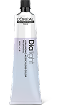
The use of gloss or demi-permanent color like Dia color is an expert way to compensate melanin loss for up to 70% grey coverage and 6 weeks of gloss color with double the shine.
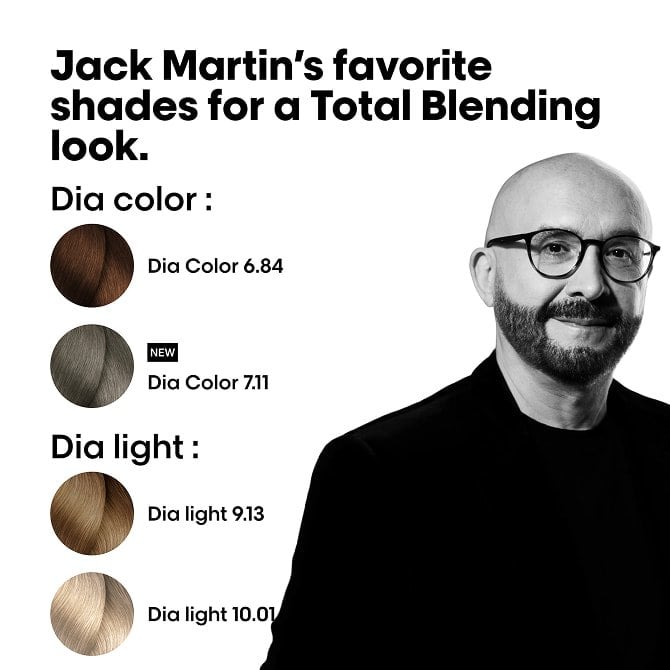
How colorists customize French Blending™
It's a totally customized bespoke service based on a few different parameters, like the client's goals, base color, and also, hair texture. Do they want to blur the harsh grey bar? Contrasts grey nest, or blend greys naturally?
Based on hair goal
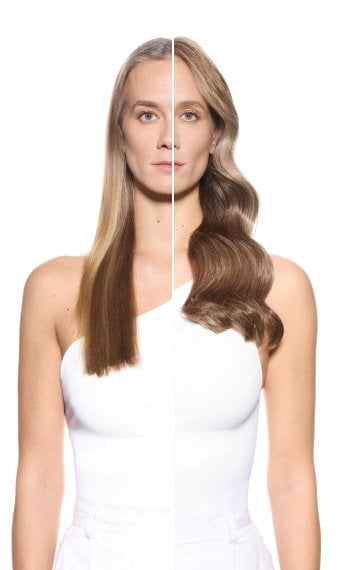
If clients experience their first greys, the process would be First Blending, for soft contrast, lowlights to add depth and blending grey clusters naturally. If clients want to maintain a blended look over time, they may be looking for Retouch Blending, softening the grey bar and adding lighter and dimensional tones. And if clients want an overall, full-head blended effect, they're likely looking at Total Blending, a combination of balayage and color for a naturally diffused finish.
Based on base color
Depending on base color and desired results, the colorist will make different recommendations and create a totally unique formula. Brunettes may require warm tones for dimension and darker lowlights. Blondes can handle cooler colors in the mix, and redheads might be suited to multi-dimensional lowlights.
Based on hair texture and porosity
A colorist will also analyze the client's hair texture and porosity to determine which combination of color products will be best for their hair. This will help them recommend the right maintenance routine as well.
At-home routine
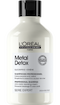
Use color-safe shampoo & mask
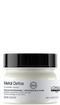
Apply a weekly hydration or bond-support mask
Consider a shine/gloss refresh between appointments
Conclusion: What to ask your stylist.
If you're considering a service like French BlendingTM for your greys, consider this a consultation guide. Think about your goals for the salon service and your desired finish. Are you looking for dimension and lighter root regrowth? Are you just looking to add a little color to your grey mix? Or are you looking for a full natural grey look? Do you prefer cool, warm or neutral effects? And what are your expectations for maintenance? These are questions to think about and discuss with your salon professional.
French Blending for grey hair FAQ
What is French Blending™ for grey hair?
It's a trademarked L'Oréal Professionnel service that pairs innovative, unique color formulas with the new Vertical Weaving Technique to blend greys, instead of covering them.
How is French Blending™ different from full grey coverage?
It's a custom service pairing unique color formulas with innovative application techniques for more natural, multidimensional grey blending, rather than full grey coverage.
Who is French Blending™ for?
For anyone seeking a natural, modern, low-maintenance approach to greys. For clients who prefer enhancing their natural tones rather than masking them.
What products are used for French Blending™?
The service relies on the entire L'Oréal Professionnel color portfolio, allowing colorists to combine reflects, depth, and lightness with precision for a fully customized result.
Your French Blending™ services to blend your greys gracefully.
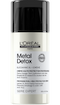
Metal Detox Pre-Treatment Spray
First Blending service.